June 16, 2026
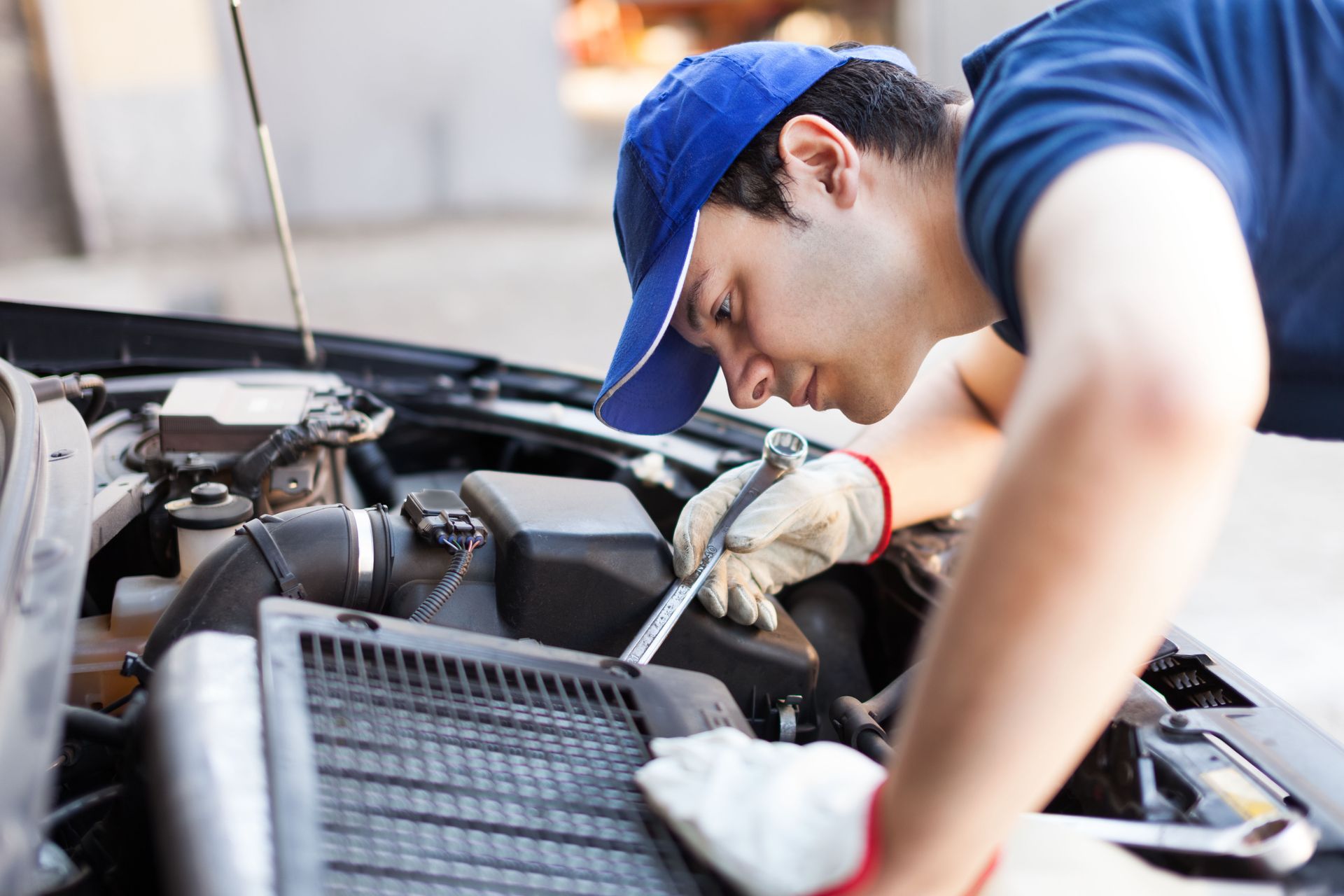
An overview of frequent issues vehicle owners encounter and how skilled local mechanics address these problems. Explore insights into common auto repairs and expert solutions. Cars have become essential to our daily lives, commuting, and transporting goods from one location to another. However, they're complex machines that require regular maintenance to function optimally. Understanding how local auto repair experts tackle recurring vehicle issues can empower car owners to maintain their vehicles better.
Diagnosing Engine Failures and Maintaining Performance
Engines are the heart of a vehicle, but they're prone to several common issues. Misfiring, overheating, and stalling are among the most frequently reported problems by vehicle owners. Misfires can occur due to worn-out spark plugs, inadequate fuel delivery, or faulty ignition coils. Overheating often results from a failing cooling system, such as a malfunctioning thermostat, water pump, or radiator. Addressing these issues promptly with the help of an experienced mechanic can prevent further complications and costly repairs.
Local mechanics adopt a methodical approach to diagnosing engine problems, leveraging the latest in diagnostic technology. They employ advanced scan tools that connect to the vehicle's onboard computer to retrieve diagnostic trouble codes (DTCs). These codes offer insight into the potential causes of engine problems, allowing mechanics to pinpoint the exact issue. According to Colours Inc, advanced driver assistance system (ADAS) calibrations are now required for more than 60% of vehicles undergoing collision-related repairs. This technological integration aids in precise diagnostics and facilitates effective repairs.
Engine overheating is a critical issue that can lead to severe engine damage if not addressed promptly. Local auto repair experts often begin by inspecting the cooling system components, checking for leaks, blockages, or faulty parts. Repair might involve replacing a malfunctioning thermostat or a cracked radiator. Preventative maintenance, such as regular coolant checks and timely flushing of the cooling system, is crucial. Ensuring that your engine cooling system is functioning correctly can save high costs in potential engine rebuilds or replacements.
Resolving Transmission Troubles for Smooth Driving
The transmission system is crucial for transferring power from the engine to the wheels, and its failure can render a vehicle inoperable. Common problems include slipping gears, difficulty in shifting, and fluid leaks. Gear slipping could result from worn-out clutches or bands, while hard shifting might indicate problems with the transmission fluid levels or solenoid issues. Fluid leaks often stem from damaged seals or gaskets. Recognizing these symptoms early can lead to timely repairs and prevent transmission breakdowns.
Preventative maintenance plays a significant role in warding off transmission troubles. Regularly checking and replacing transmission fluid is essential, as dirty or low fluid levels can cause gears to wear out prematurely. Experienced technicians also recommend ensuring that the cooling system is functioning properly, as overheating can lead to transmission damage. Routine inspections of the transmission mount and differential can help catch minor issues before they escalate. Implementing these practices can significantly prolong transmission life.
Replacing transmission fluid is a fundamental part of vehicle maintenance. Over time, transmission fluid degrades and loses its effectiveness in lubricating and cooling the system. Mechanics advise changing the fluid every 30,000 to 60,000 miles, depending on the manufacturer's specifications and driving conditions. Signs that a fluid change is necessary include slipping gears, unusual noises, and delayed gear engagement. Utilizing a local auto repair facility ensures smooth gear transitions and protects the system from excessive wear.
Fixing Brake System Weaknesses to Ensure Road Safety
Brake system issues can jeopardize vehicle safety and require immediate attention. Common signs of trouble include screeching noises, a spongy brake pedal, and reduced brake responsiveness. These symptoms often result from worn-out brake pads, air in the hydraulic lines, or leaking brake fluid. Certified technicians conduct thorough brake inspections to diagnose the issues accurately. Timely detection and repair ensure the brakes perform efficiently and safely under all driving conditions.
The replacement of worn-out brake pads is a routine service performed by local mechanics to maintain optimal braking performance. As pads wear down, they lose their ability to generate friction, resulting in decreased stopping power. Mechanics will remove the wheel and caliper to access and replace the pads with new ones. Ensuring that the rotor's surface is smooth and free of irregularities is also necessary for effective pad interaction. Regular brake inspections and replacing pads when needed ensure the vehicle's safety on the road.
Brake fluid leaks can severely impact the braking system's effectiveness, requiring immediate intervention. Seeking help from a trusted option for local auto repair ensures that professionals start by inspecting the brake lines, hoses, and connections for signs of leakage. Once identified, they will replace damaged components and bleed the system to remove any air bubbles. This ensures that the brake fluid operates under optimal pressure and the brakes respond correctly. Routine inspections and prompt repairs can guard against fluid leaks and maintain braking efficiency.
Troubleshooting Electrical Components and Battery Lifespans
Vehicle electrical systems are sophisticated and can develop several common issues over time. Dead batteries, faulty alternators, and blown fuses are issues regularly encountered by car owners. A dead battery might result from leaving headlights on or failing to start the car regularly. A faulty alternator can lead to a drained battery as it fails to keep it charged. Regular checks and maintenance of the electrical system can prevent these problems from affecting the vehicle's operation.
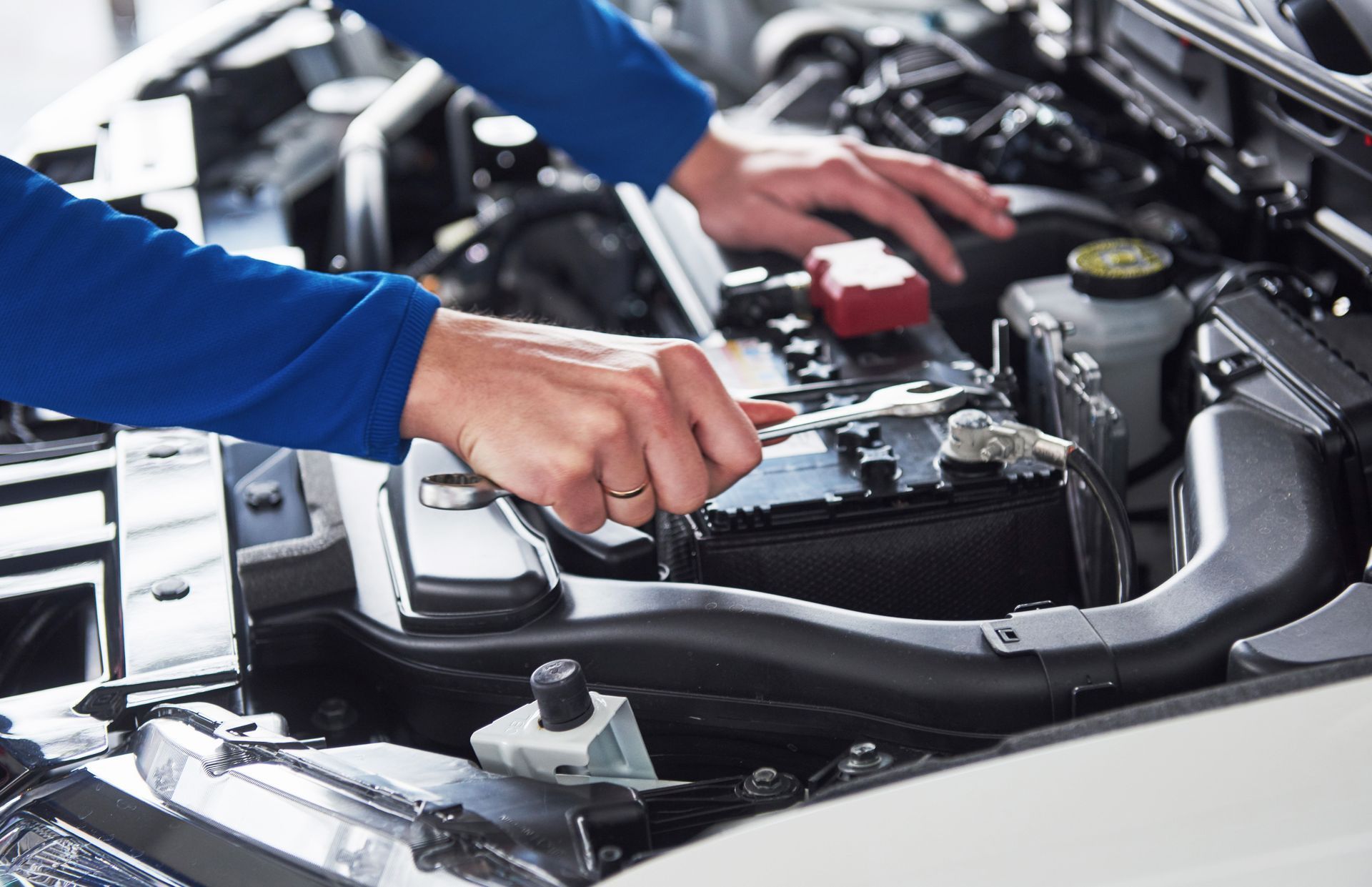
A failing battery can leave you stranded, making replacement and maintenance vital. Signs of a failing battery include slow engine cranking, dim lights, and the check engine light appearing on the dashboard. Professional mechanics assess the battery's health using load testers and replace it if necessary. Maintaining clean battery terminals and ensuring secure connections can prolong battery life. Regular battery checks can avert unexpected breakdowns and keep the vehicle's electrical system in good shape.
An alternator failure can result in a drained battery and impact all electrical functions of a vehicle. Technicians diagnose alternator issues by measuring the voltage output while the engine runs. A replacement is typically necessary when the alternator produces insufficient charge. Your chosen local auto repair shop will also inspect the drive belt condition, as a slipping or broken belt can mimic alternator problems. Regular maintenance can detect alternator wear early and prevent electrical system failures.
Restoring Suspension Systems for Better Vehicle Comfort
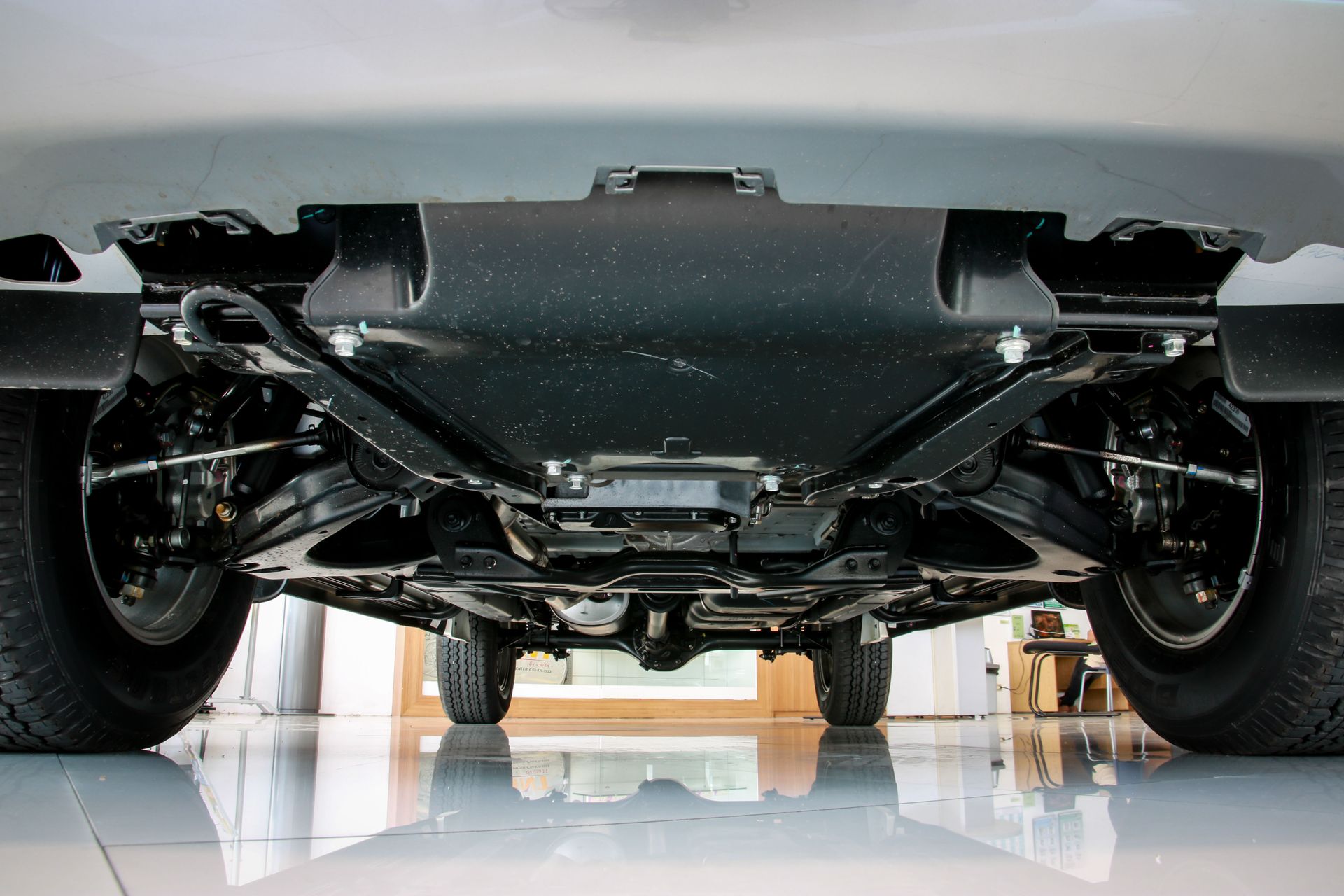
Suspension system issues can significantly impact a vehicle's handling and comfort. Some common indicators include uneven tire wear, poor handling, and unusual noises while driving. Worn-out suspension components, such as shocks and struts, are often the culprits. These problems not only affect ride comfort but can also compromise vehicle safety. Recognizing these signs early can lead to timely repairs and ensure the suspension system functions correctly.
Shock absorbers and struts are integral to a vehicle's suspension, providing stability and comfort. Specialists replace worn-out shocks and struts to restore the vehicle's handling and ride quality. They will inspect and test the suspension system to identify faulty components and replace them as necessary. Proper maintenance of shock absorbers and struts can mitigate driving fatigue and prevent damage to other suspension parts. Regular inspections ensure safe and smooth vehicle operation.
Addressing common auto problems with the help of trusted technicians is crucial for vehicle safety and longevity. Understanding and maintaining key systems like the engine, transmission, brakes, electrical components, suspension, and exhaust can prevent breakdowns and extend vehicle life. Relying on skilled mechanics for regular inspections and early interventions ensures that vehicles operate safely and efficiently. Investing in proper vehicle maintenance protects against costly repairs and maintains roadworthiness. By prioritizing these practices, vehicle owners can enjoy a reliable and safe driving experience. For more information about the services that we offer, reach out to our incredible team at Tripp's Auto Tech today!